
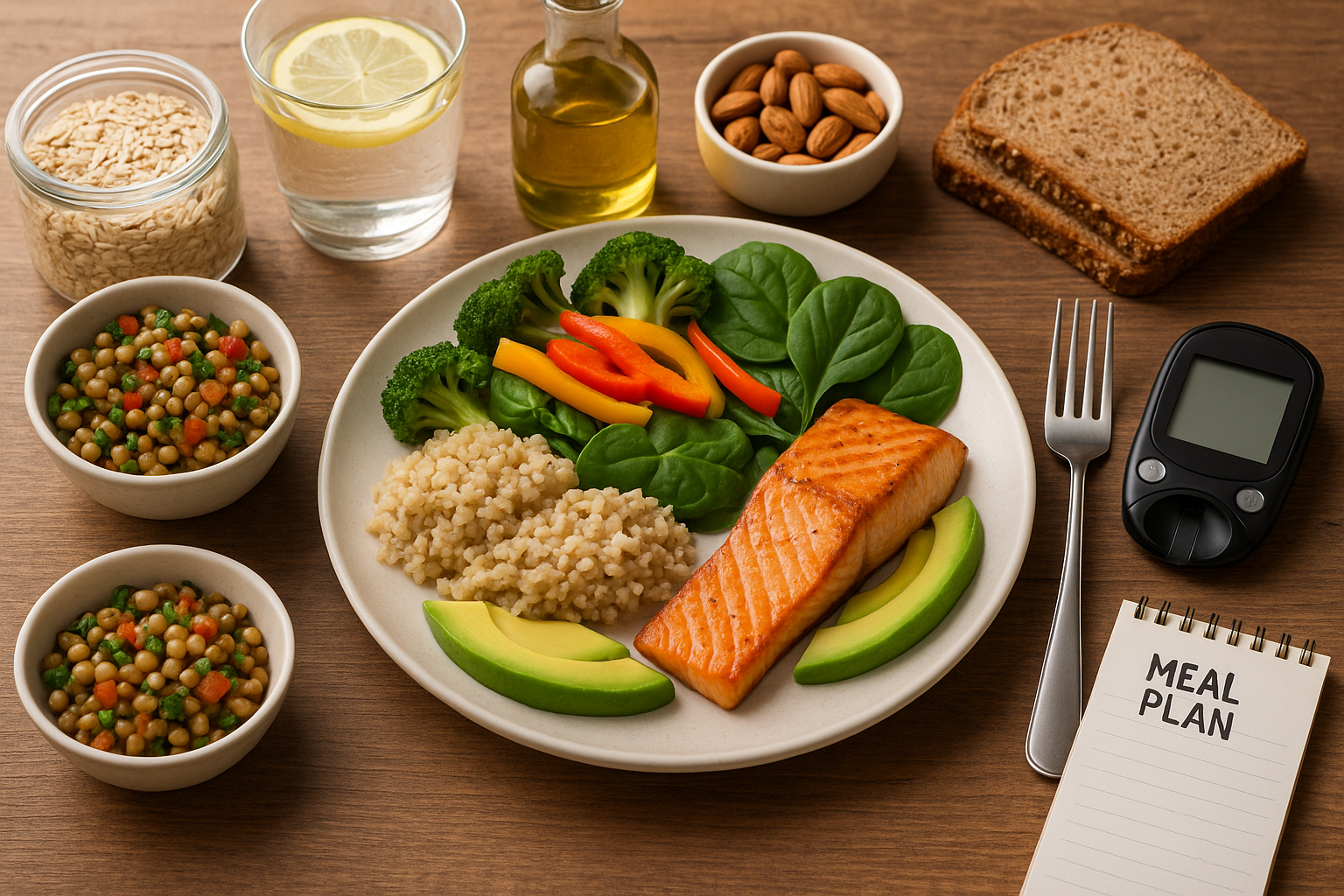
Type 2 diabetes is a chronic condition that affects how your body metabolizes sugar (glucose). Unlike Type 1 diabetes, where the body cannot produce insulin, in Type 2 diabetes, the body becomes resistant to insulin. Nutrition plays a crucial role in managing and even preventing Type 2 diabetes, as it directly impacts blood sugar levels, insulin sensitivity, and overall metabolic health.
Balanced Diet for Blood Sugar Control
A balanced diet can help regulate blood sugar levels, reduce insulin resistance, and prevent diabetes-related complications. The key to managing Type 2 diabetes through nutrition lies in controlling carbohydrate intake and choosing food that has a low glycemic index (GI). Food with a low GI, such as whole grains, legumes, and non-starchy vegetables, is digested more slowly and causes generally a gradual rise in blood sugar.
The most important thing is always to control the amount. Even whole grains or oat can cause high blood sugar levels if you eat much of them.
Carbohydrate Management
Carbohydrates have the most immediate effect on blood sugar levels. People with Type 2 diabetes should focus on consuming complex carbohydrates rather than simple sugars. Complex carbs, such as those found in brown rice, whole wheat, oats, and vegetables, are rich in fiber and take longer to break down in the digestive system, helping maintain steady blood sugar levels.
On the other hand, refined carbohydrates like white bread, pastries, and sugary beverages cause rapid spikes in blood glucose, leading to poor glycemic control. Avoiding this processed food can help people with diabetes maintain better control over their condition.
Fiber-Rich Food
High-fiber food is essential for individuals with Type 2 diabetes. Fiber slows the absorption of sugar into the bloodstream and helps lower blood sugar levels. Food rich in soluble fiber, such as vegetables, beans, lentils, and oats is particularly beneficial. A diet high in fiber can also help with weight management, which is critical for controlling Type 2 diabetes.
Healthy Fats and Protein
Including healthy fats in the diet can also be helpful. Unsaturated fats found in foods like olive oil, avocado, and nuts can help reduce inflammation and improve heart health, which is essential since people with Type 2 diabetes are at higher risk for cardiovascular disease. Omega-3 fatty acids, found in fatty fish like salmon, mackerel, and sardines, can also contribute to improving metabolic health.
Lean protein sources such as chicken, tofu, and beans are important as they help stabilize blood sugar levels by slowing the absorption of carbohydrates. They also support muscle mass, which can improve insulin sensitivity. Protein-rich food helps control appetite and reduces hunger for a longer time.
Conclusion
Nutrition is a cornerstone of Type 2 diabetes management. By focusing on whole fresh fiber-rich food, low-glycemic carbohydrates, and a balanced intake of healthy fats and proteins, individuals with Type 2 diabetes can better control their blood sugar, improve insulin sensitivity, and reduce the risk of complications. Working with a healthcare provider or dietitian can help you find your own way tailored to your individual needs, making dietary changes a powerful tool in the management of Type 2 diabetes.
Comments are closed.